
Maintaining good oral health is essential for protecting your natural teeth and preventing long-term dental complications. However, cavities, cracks, and accidental damage can affect the strength and appearance of teeth. Fortunately, modern restorative dentistry offers several treatment options to repair damaged teeth and restore their functionality.
Two commonly recommended procedures are dental crowns and dental fillings. Although both treatments help restore damaged teeth, they serve different purposes. Understanding the differences between a dental crown vs filling can help patients make informed decisions about their dental care.
What Is a Dental Filling?
A dental filling is a restorative procedure used to repair teeth affected by minor to moderate decay or damage. During the treatment, the dentist removes the decayed portion of the tooth and fills the affected area with a suitable dental material.
Composite resin is a popular filling material because it can be matched to the natural colour of teeth, providing a more aesthetically pleasing result.
When Is a Dental Filling Recommended?
A dental filling may be recommended in situations such as:
- Small or moderate cavities caused by tooth decay.
- Minor chips or damage to the tooth surface.
- Replacement of worn or damaged existing fillings.
- Localised tooth damage where sufficient healthy structure remains.
One of the main advantages of dental fillings is that they preserve more of the natural tooth structure. They are also generally quicker and less expensive than crown procedures.
However, fillings may not provide sufficient strength when a significant portion of the tooth has been damaged.
What Is a Dental Crown?
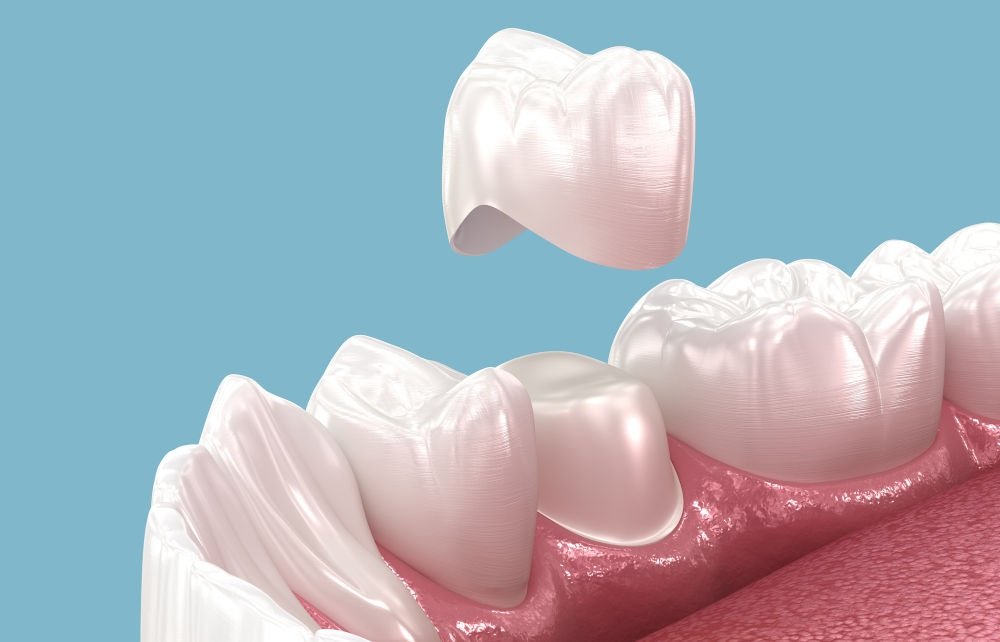
A dental crown is a custom-made restoration designed to cover the visible portion of a damaged tooth. It restores the tooth’s shape, size, strength, and appearance while providing additional protection to the remaining natural structure.
Dental crowns can be manufactured using different materials, including porcelain, ceramic, metal, and porcelain-fused-to-metal options. The appropriate material depends on the tooth’s location, functional requirements, and aesthetic preferences.
When Is a Dental Crown Necessary?
A dentist may recommend a dental crown when:
- Extensive tooth decay has weakened the natural tooth.
- A large existing filling has compromised the remaining structure.
- A tooth has experienced significant cracking or damage.
- A tooth requires additional protection following root canal treatment.
- A substantial portion of the tooth needs restoration.
Unlike fillings, dental crowns cover the entire visible portion of the tooth, offering greater structural support when extensive restoration is required.
Dental Crown vs Filling: Understanding the Key Differences
Although both treatments are effective restorative dentistry solutions, their applications and benefits differ.
1. Extent of Tooth Damage
Dental fillings are generally suitable for smaller cavities and localised damage. Crowns are often recommended when a larger portion of the tooth has been weakened or damaged.
2. Tooth Preparation
Fillings usually require minimal preparation because only the affected portion is removed. Dental crowns generally involve more extensive tooth preparation to accommodate the restoration.
3. Protection and Coverage
A filling repairs a specific area of the tooth, whereas a crown covers the visible portion. This additional coverage can provide better protection for significantly weakened teeth.
4. Treatment Duration
Many dental filling procedures can be completed in a single appointment. Crown treatment may require multiple visits, depending on the materials and restoration process.
5. Overall Cost
Dental fillings are generally more affordable than crowns. Crown procedures typically involve additional laboratory work, materials, and clinical preparation.
6. Durability
The lifespan of both restorations depends on oral hygiene, material selection, biting pressure, and individual dental habits. Proper maintenance and regular dental examinations help extend their longevity.
How to Determine Whether You Need a Dental Crown or Filling
Choosing between a crown and a filling requires a professional dental examination. Several factors help determine which restoration is most appropriate.
1. Evaluate the Size of the Cavity
Smaller cavities can often be repaired with conventional fillings. However, extensive decay may weaken the remaining tooth structure, making a dental crown a more suitable option.
2. Check for Cracks and Fractures
Minor chips may be repaired using fillings or other conservative treatments. More significant cracks can compromise the tooth’s strength and may require additional protection through a crown.
3. Examine Existing Dental Fillings
Older fillings can wear down, loosen, or develop damage over time. If the surrounding tooth structure has also weakened, replacing the filling may not provide sufficient long-term support.
4. Consider Root Canal Treatment
When tooth decay or damage reaches the dental pulp, root canal treatment may be necessary. Following this procedure, a dental crown may be recommended to protect a weakened tooth, depending on its location and remaining structure.
Is a Dental Crown Better Than a Filling?
Neither treatment is universally better because both address different levels of tooth damage.
A dental filling is generally preferred when the damage is limited and enough healthy tooth structure remains. It provides a conservative solution while preserving the natural tooth.
A dental crown may be more appropriate when extensive damage requires additional coverage and structural support.
The primary objective of restorative dentistry is to restore the tooth’s functionality while preserving as much healthy natural structure as possible.
How Long Do Dental Crowns and Fillings Last?
The longevity of dental restorations varies from person to person. Factors such as the quality of materials, oral hygiene, diet, teeth grinding, and regular dental care can influence how long a filling or crown lasts.
Dental fillings may gradually wear down, develop cracks, or become loose. Similarly, crowns can chip, loosen, or develop problems around their edges.
To maintain dental restorations and support good oral health, consider these practices:
- Brush twice daily using fluoride toothpaste.
- Floss or clean between your teeth every day.
- Limit sugary foods and beverages.
- Avoid chewing ice and other extremely hard objects.
- Discuss teeth grinding with your dentist.
- Schedule regular dental check-ups.
Maintaining proper oral hygiene is particularly important because a dental crown does not completely eliminate the risk of decay in the underlying tooth.
Can You Avoid Getting a Dental Crown?
In some situations, a dental crown may not be necessary. If sufficient healthy tooth structure remains, a filling or another conservative restoration may adequately repair the damage.
However, avoiding a clinically necessary crown can leave a weakened tooth vulnerable to further fractures. This could lead to more complicated dental procedures in the future.
Discussing the available treatment options, associated costs, and potential benefits with a qualified dental professional can help determine the most appropriate approach.
What Is the Cost Difference Between a Dental Crown and Filling?
The cost of dental restorations depends on several factors, including the material selected, the complexity of the procedure, the location of the tooth, and any additional treatment required.
Dental fillings generally cost less because they involve a relatively straightforward procedure. Dental crowns usually require a greater financial investment due to custom fabrication, additional preparation, and laboratory processes.
Before proceeding, patients should request a personalised treatment estimate and understand what is included in the overall cost.
Rather than choosing a treatment based exclusively on price, it is important to consider the long-term health and structural condition of the affected tooth.
Conclusion
Understanding the difference between a dental crown and a filling can help patients make better decisions about restoring damaged teeth. While fillings are generally suitable for minor cavities and localised damage, dental crowns offer additional coverage and protection for teeth with significant structural weaknesses.
The most appropriate treatment depends on the extent of the damage, the amount of healthy tooth structure remaining, and the patient’s overall oral health.
Seeking professional dental advice can help identify the most suitable restoration, protect natural teeth, and maintain long-term oral health.
